
Three communities of the Golden area, including the Shuswap Band, the Town of Golden and the Columbia Shuswap Regional District (Area A) are collaborating to secure a new community forest agreement in the area surrounding Golden, BC within the Shuswap Band’s traditional territory. This process is being driven by the Golden & Area Community Forest Team (GACFT), which includes representatives of all three communities participating in the process to establish a new community forest around Golden.
The GACFT would like to acknowledge that the Golden & Area Community Forest is being proposed within the unceded traditional territories of both the Secwepemc and Ktunaxa Nations. The Golden area is also home to a population of the Métis Nation. The GACFT will seek to engage with all Indigenous peoples in the development of a community forest.
The proposed community forest is aimed at providing the partnering communities with increased land management opportunities, access to fibre, and ability to pursue objectives valued by community members. The proposed community forest will greatly enhance the communities’ ability to address Forest Landscape Planning considerations, including navigating complex issues such as local wildfire risk, changing conditions due to climate change, Indigenous cultural heritage resources, and recreation and access management.
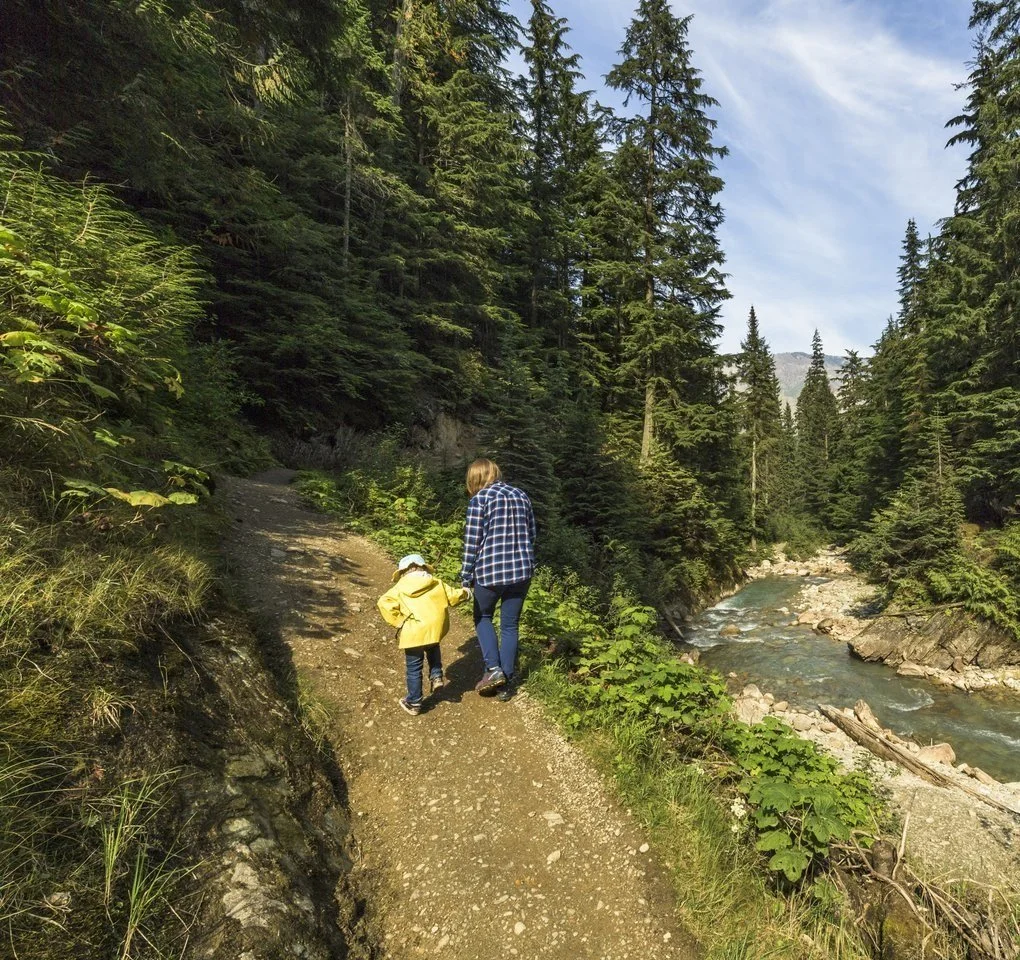
Community forestry involves the four pillars of sustainable development: social, ecological, cultural and economic sustainability. At its core, community forestry is about local control over and enjoyment of the benefits offered by local forest resources.
The Community Forest Agreement (CFA) is an area-based licence between the provincial government and the agreement holder that provides the exclusive right to harvest timber within the community forest area. Licences are long-term, 25 years, and replaceable every 10. Since the development of the community forest tenure in 1998, BC has issued 60 community forests with another four formally in the application process. These licences are held by a variety of community-based legal entities, including limited partnerships, societies, co-ops, Indigenous and local governments.
A community forest is established for the benefit of the communities and supports community priorities and opportunities including local jobs, recreation, wildfire risk reduction, wildlife enhancement, watershed management, Indigenous stewardship, and contributes to a more diversified forest economy.
What is a Community Forest?
Image by Andrew Chad - Tourism Golden
Provincial Government Goals for the CFA Program
Community forests are guided by a set of specific goals given by the Provincial Government for the Community Forest Program:
Provide long-term opportunities for achieving a range of community objectives, values and priorities.
Diversify the use of and benefits derived from the community forest agreement area.
Provide social and economic benefits to British Columbia.
Undertake community forestry consistent with sound principles of environmental stewardship that reflects a broad spectrum of values.
Promote community involvement and participation.
Promote communication and strengthen relationships between Indigenous and non-Indigenous communities and persons.
Foster innovation.
Advocate forest worker safety.
Learn about community forests and their benefits.
The benefits of community forests as reported by the BC Community Forest Association include:
Local employment by creating local jobs in rural communities.
Economic activity by building the resiliency and local economy of rural communities. This contributes to the self-reliance and stability of local communities.
Community contributions by investing the profits back into the local communities. Community forests can have a positive impact on sustainable growth and inspire connections between local people and forest management.
Economic diversification using the expertise and equipment of the community forest to diversify the revenue stream and provide local employment.
Community accountability by engaging the community and providing a venue for local-level decision making that leads to locally appropriate decisions and improves the incentives to consider the long-term benefits of sustainable management.
Public engagement through outreach to the users of the community forest, leading to an improved awareness of forest management and increased potential to resolve conflicts over timber harvesting in sensitive areas.
Investments in community education and recreation through enhanced opportunities for education and research, while testing innovative forest practices.
Proactive management of wildfire hazard as most community forests are within the WUI and are therefore in a unique position to serve as leaders in the coordination and management of wildfire risk.
Indigenous involvement by promoting forest management that respects Indigenous rights and cultural values, and fosters understanding and cooperation between rural and Indigenous communities.
Investments in forest stewardship through forward-thinking, innovative, and holistic approaches to achieve resiliency and a positive legacy for future generations[1].
[1] https://bccfa.ca/2021-community-forest-indicators-report/